

Comparing Jitterbug vs Tracfone helps highlight differences in ease of use, features, and monthly costs. This guide explores both options so you can decide which phone better fits your lifestyle and daily needs. By understanding key benefits, seniors can make an informed choice with confidence.
Jitterbug vs Tracfone: Key Differences for Seniors
Understanding the main differences between these two services can help seniors choose the best device for their needs. Below is a closer look at how Jitterbug vs Tracfone vary in audience, devices, and pricing.
Target Audience & Phones
Jitterbug prioritizes ease of use and simplicity, while Tracfone emphasizes flexibility. When comparing Jitterbug vs Tracfone, device philosophy directly affects both usability and long-term cost expectations
| Feature | Jitterbug | Tracfone |
| Target Users | Built specifically for seniors seeking simplicity | Designed for budget-conscious users of all ages |
| Phone Options | Flip phones and simplified smartphones | Bring Your Own Phone (BYOP) or budget devices |
| Ease of Use | Limited to the Jitterbug ecosystem, large buttons, simple menus, and a minimal learning curve | Depends on the selected device |
| Setup Experience | Simplified activation and guided setup | More flexible but may require basic tech skills |
Safety Features & Cost Comparison
Jitterbug’s pricing reflects its built-in safety ecosystem. Tracfone’s lower cost structure appeals to highly price-sensitive users. In Jitterbug vs Tracfone decisions, this trade-off is usually the primary deciding factor.
| Feature | Jitterbug | Tracfone |
| Safety Tools | Urgent response button, fall detection, nurse access | No specialized safety tools |
| Emergency Support | Integrated optional health services | Standard calling only |
| Starting Monthly Cost | Around $19.99 per month | Often under $10 per month |
| Activation Fees | May include activation charges | Typically none |
| Data & Usage | Structured plans with optional data packages | Pay-as-you-go data flexibility |
| Best For Budget | Seniors prioritizing safety over price | Seniors prioritizing the lowest bill |
>>> Read more: The Best Flip Phones for Seniors in 2026: A Guide to Simple, Affordable Calling
Jitterbug Phone for Seniors: Features & Benefits
The Jitterbug phone for seniors focuses on ease of use and accessibility. Its design helps older adults perform everyday tasks with minimal stress and maximum confidence.
Health & Safety Features
Safety features are central to the Jitterbug experience. The urgent response button allows immediate access to help when needed. Fall detection automatically alerts emergency contacts in case of a sudden accident.
Optional nurse access provides medical guidance anytime, supporting seniors and caregivers alike. These features distinguish Jitterbug from other options and add significant reassurance.
Many users also look for promotions such as Jitterbug phone for seniors free offers. These may include discounts or limited-time incentives, though availability depends on specific provider terms. Seniors should review eligibility requirements to take advantage of such deals safely.
This distinction becomes especially important when evaluating Jitterbug vs Tracfone for seniors living independently.
Daily Use & Accessibility
Daily usability is another strength of the Jitterbug phone. Large buttons and high-contrast screens simplify navigation and reduce errors. Loud speakers enhance call clarity for those with hearing difficulties.
Long battery life ensures that seniors can stay connected throughout the day without frequent charging. Texting and menu navigation are straightforward, minimizing frustration for users less familiar with technology.
Overall, the Jitterbug phone for seniors combines practical accessibility with safety features, making it a strong choice for older adults seeking a reliable and simple phone experience.
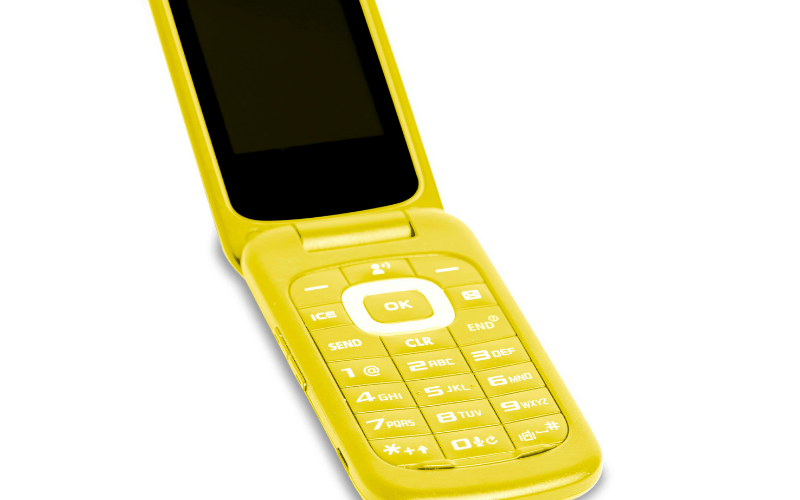
Tracfone Plans for Seniors: Cost & Flexibility
Tracfone plans for seniors provide a budget-friendly and flexible alternative. These plans cater to users who prioritize affordability and variety in device choice.
Budget-Friendly Plans
Tracfone offers prepaid plans that start as low as $10 to $15 per month. Data allowances are modest, typically covering calls, texts, and light internet use. Seniors can manage their expenses easily and avoid unexpected bills. This makes Tracfone a practical choice for older adults who want basic connectivity at a predictable cost.
Seniors who wish to better understand mobile service terms and consumer protections can review resources provided by the Federal Communications Commission.
When analyzing Jitterbug vs Tracfone, Tracfone clearly stands out for seniors prioritizing minimal monthly expenses.
Device Options & Flexibility
Seniors can select from Tracfone flip phones for seniors or other low-cost smartphones. The option to bring an existing phone adds convenience for those who already own compatible devices.
Device flexibility allows users to choose hardware that fits their comfort level and lifestyle. This adaptability, paired with affordable plans, makes Tracfone a versatile option for cost-conscious seniors.
Comparing Real-World Experience
Real-life usage highlights differences between the two options. Evaluating how phones perform daily helps seniors make practical decisions.
Ease-of-Use in Daily Life
Jitterbug emphasizes simplicity, making calling and texting straightforward. Menus are intuitive, and battery life supports daily use. Tracfone experiences vary by device choice, requiring more familiarity for optimal use. Users should consider their comfort level with technology when selecting a phone.
These practical differences frequently shape Jitterbug vs Tracfone decisions more than advertised features.
Network Coverage & Support
Both services operate primarily on the Verizon network, offering reliable coverage in most regions. Seniors who want to evaluate wireless coverage, signal limitations, or emergency communication guidelines can consult official FCC consumer resources for additional clarity.
Signal strength may differ based on location. Customer support quality influences overall satisfaction, as seniors often require assistance with setup or troubleshooting. Accessible support helps users maintain independence and confidence.
Scenario-Based Recommendations
Seniors living alone may benefit from Jitterbug’s safety features and guided interface. Those seeking affordability and flexibility may prefer Tracfone. Travelers and active users should consider portability and network reliability. Personal needs and lifestyle ultimately determine the best choice.
>>> Read more: T-Mobile vs Verizon: Which Is Better in 2026?
FAQs About Jitterbug vs Tracfone
Seniors comparing Jitterbug vs Tracfone often ask similar questions about usability, pricing, and flexibility.
1. Is Jitterbug completely easy to use for seniors?
Yes, its design prioritizes clarity and simplicity, with large buttons and intuitive menus.
2. Can I bring my own phone to Tracfone?
Yes, most plans allow device compatibility, which adds flexibility for experienced users.
3. Are data plans enough for daily use?
Basic talk, text, and email are typically supported, but heavy streaming may require higher-tier plans.
4. What are the activation fees for both?
Jitterbug may charge a one-time activation fee. Tracfone fees vary by promotion and device selection.
Conclusion
When evaluating Jitterbug vs Tracfone, the best choice depends on your priorities. Jitterbug suits seniors who want simplicity and built-in safety features, while Tracfone appeals to those seeking affordability and device flexibility. Understanding these differences helps ensure you select the phone that matches your lifestyle and needs. Hopefully, this SeniorHope guide helps you make a confident, informed decision.