
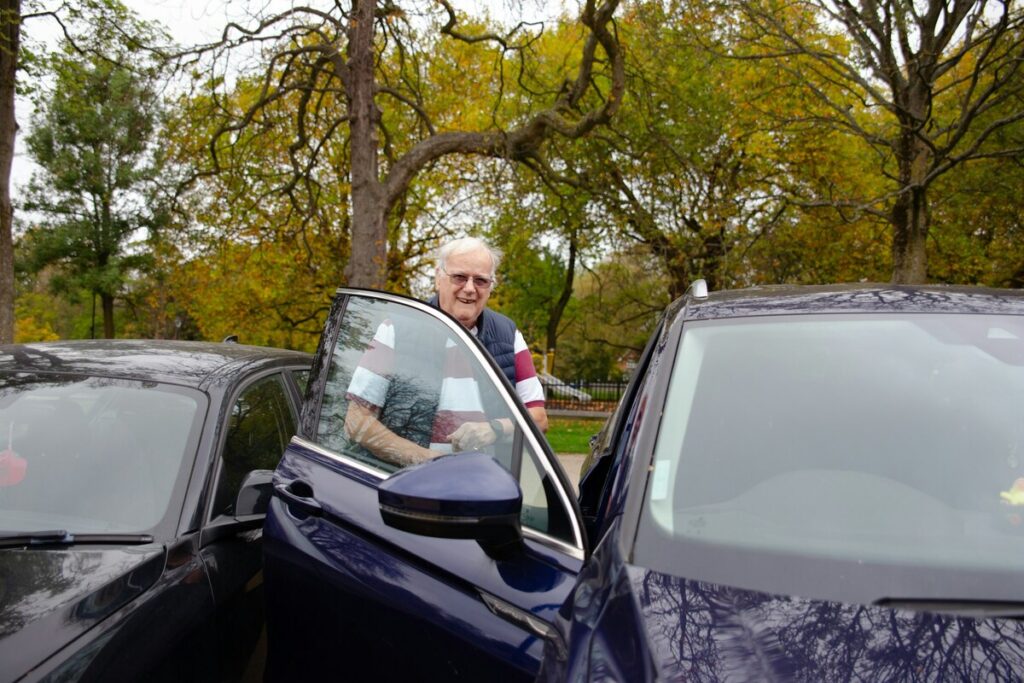
Staying mobile is one of the most important factors in maintaining independence as we age, and finding dependable rides for seniors can mean the difference between thriving and feeling cut off from the world.
Whether it’s a routine doctor’s visit, a trip to the pharmacy, or simply getting out of the house, transportation shapes how seniors experience daily life.
This guide breaks down exactly how to find, evaluate, and access the right ride services locally, affordably, and safely.
Rides for Seniors Near Me: How to Find Local Options
Most seniors don’t realize how many local transportation options exist, simply because no one has walked them through how to find them. Follow these steps to uncover what’s available in your area.
Step 1: Call 2-1-1
Dial 2-1-1 from any phone. This free, confidential helpline connects you with a local social services specialist who can match you with senior transportation programs in your ZIP code. It’s the fastest first step, especially if you’re unsure where to start.
Step 2: Contact Your Local Area Agency on Aging (AAA)
Visit eldercare.acl.gov or call 1-800-677-1116 to find your nearest AAA office. These federally funded agencies coordinate ride programs through volunteer networks, nonprofit partners, and county transit systems. They may connect you with local case management or support services.
Step 3: Check With Your Senior Center
Local senior centers are often the most underutilized resource for transportation. Many organize group rides, maintain lists of vetted volunteer drivers, or partner directly with local transit providers. A quick phone call can reveal options your doctor’s office or insurer may never mention.
Step 4: Search Your County’s Paratransit or Dial-a-Ride Program
Many counties or transit systems operate subsidized transportation for older adults and people with disabilities. Search “[your county name] senior transportation” or “[your county name] paratransit” to find the local program. These services typically require a simple eligibility registration before your first ride.
Step 5: Explore Phone-Based Ride-Hailing Services
If you or your loved one doesn’t use a smartphone, services like GoGoGrandparent bridge the gap by connecting seniors to Uber and Lyft through a regular phone call, while notifying family members of each trip in real time. No app, no account, no tech hurdle.
Step 6: Ask Your Doctor’s Office or Social Worker
Healthcare providers and hospital social workers often have direct referral relationships with trusted local transportation vendors. Before your next appointment, ask the front desk or care coordinator whether they can connect you with a ride program; many can.
Rides for Seniors to Medical Appointments

There are several programs available to cover rides for seniors to medical appointments. Image by Pexels
Getting to a medical appointment isn’t optional, yet transportation is one of the most common reasons seniors miss critical care. The good news: several programs exist specifically to cover rides for seniors to medical appointments, often at little or no cost.
>>>Read more: Elderly Home: A Simple Guide to Care Options for Seniors
Medicaid Non-Emergency Medical Transportation (NEMT)
NEMT is a mandatory Medicaid benefit that covers transportation to and from covered medical appointments for eligible low-income seniors. This includes standard vehicles, wheelchair-accessible vans, and stretcher transport when medically necessary. To use it, request rides according to your state’s Medicaid scheduling requirements.
Medicare Advantage (Part C) Transportation Benefits
Original Medicare does not cover routine rides, but many Medicare Advantage plans include transportation as a supplemental benefit, covering trips to doctor visits, specialist appointments, pharmacies, and even fitness programs. Coverage varies significantly by plan, so review your plan’s Summary of Benefits or call the member services number on your card.
Hospital and Health System Shuttle Programs
Large hospitals and health systems, particularly cancer centers and dialysis clinics, frequently run their own transportation services or have contracted partnerships with local providers. If you’re receiving recurring treatment, ask your care team whether a hospital-arranged ride is available.
Veteran’s Affairs (VA) Beneficiary Travel Program
Eligible veterans can receive reimbursement for travel to VA medical facilities, and many VA centers operate their own shuttle routes. Contact your nearest VA medical center or visit https://www.va.gov/health-care/file-travel-pay-reimbursement/ to learn more.
Nonprofit Medical Ride Programs
Organizations like ITNAmerica, the National Aging and Disability Transportation Center, and many local faith communities provide scheduled, door-to-door rides for seniors heading to medical appointments, often run by trained volunteer drivers who may also provide escort assistance inside the facility.
Free and Low-Cost Ride Options for Seniors
Transportation costs add up fast, especially for seniors on fixed incomes managing multiple health conditions. This section maps out every major funding source so you know exactly what you may be entitled to and how to claim it.
| Program | Who Qualifies | Cost to Senior | Covers Medical Rides? |
| Medicaid NEMT | Medicaid enrollees | Free | Yes |
| Medicare Advantage | Plan members | Varies by plan | Often yes |
| VA Beneficiary Travel | Eligible veterans | Free/reimbursed | Yes (VA care) |
| Area Agency on Aging rides | Seniors 60+ | Free or donation | Yes + non-medical |
| Public transit senior discounts | Seniors 65+ | Reduced fare | Can be used, but not a dedicated medical transportation program |
| GoGoGrandparent | Anyone | Ride cost + small fee | Yes |
| Nonprofit/faith-based programs | Varies | Free or donation | Yes |
Pro tip: Many seniors qualify for more than one program. A Medicaid enrollee who also has a Medicare Advantage plan, for example, may have two layers of transportation coverage. Always check eligibility across multiple programs before paying out of pocket.
>>>Read more: Senior Transportation Services: How to Find Safe and Affordable Rides Near You
How to Choose the Right Ride Service for Seniors
Not all ride services are created equal, and the wrong choice can mean a no-show on the day of an important appointment or a safety risk. Here’s what to evaluate before booking:
Safety Standards
Ask directly:
- Does the provider conduct criminal background checks on all drivers?
- Are vehicles regularly inspected?
- Does the driver receive any training in senior care or disability awareness?
Established NEMT providers and VA-contracted services typically meet strict compliance standards; informal or app-based options vary widely.
Accessibility and Physical Support
If the senior uses a walker, wheelchair, or has difficulty with stairs, confirm that the provider offers wheelchair-accessible vehicles (WAVs) and door-through-door service, meaning the driver escorts the passenger from their front door to the destination entrance, not just curb to curb. This distinction matters enormously for safety and dignity.
Advance Scheduling vs. On-Demand
For medical appointments with fixed times, the ability to schedule in advance is non-negotiable. On-demand services like standard Lyft or Uber are convenient for flexible errands but unreliable for time-sensitive medical care. Use NEMT or pre-scheduled nonprofit rides for anything with a set appointment time.
Ease of Booking
Not every senior is comfortable with a smartphone app. Prioritize services that offer phone-based booking or enlist a family member or caregiver to manage scheduling through an app like GoGoGrandparent, which is specifically designed for third-party ride management.
Insurance Acceptance and Transparency of Costs
Before the first ride, confirm whether the service bills Medicaid, Medicare Advantage, or other insurance directly, or whether you pay out of pocket and seek reimbursement. Avoid services that are vague about fees; legitimate providers give clear cost breakdowns upfront.
FAQs
How can I find rides for seniors near me quickly?
Call 2-1-1 immediately. It’s the fastest route to local senior transportation resources. You can also visit https://eldercare.acl.gov/home or call 1-800-677-1116 to reach your local Area Agency on Aging, which maintains up-to-date directories of vetted local providers.
Are there free rides for seniors to medical appointments?
Yes. Medicaid’s NEMT benefit covers transportation to covered medical appointments at no cost for eligible seniors. Many Medicare Advantage plans also include free or subsidized medical transportation. Nonprofit and faith-based volunteer programs offer additional free options regardless of insurance status.
Does Medicare pay for rides for seniors?
Original Medicare (Parts A and B) does not cover routine transportation to medical appointments. However, many Medicare Advantage (Part C) plans do include transportation as a supplemental benefit. Check your plan’s Summary of Benefits or call 1-800-MEDICARE (1-800-633-4227) to find out what your specific plan covers.
What is the safest ride option for elderly adults?
Some of the options that are trusted by many are NEMT providers, VA-contracted transportation, and established nonprofit ride programs, all of which require driver background checks, vehicle inspections, and often senior-specific training. For ride-hailing, GoGoGrandparent adds a safety layer by alerting designated family members at every stage of the trip.
Can seniors schedule recurring medical transportation?
Absolutely. NEMT providers, VA programs, and many nonprofit ride services accommodate standing transportation orders for recurring treatments like dialysis, chemotherapy, or physical therapy, depending on program capacity. Ask your doctor or hospital social worker to coordinate a standing ride order through your Medicaid plan or VA care team.
Conclusion
Transportation is foundational to healthy aging, yet it’s one of the most overlooked aspects of senior care planning. Rides for seniors aren’t just about getting from point A to point B; they’re about staying connected to healthcare, community, and a sense of independence that no one should have to give up.
From Medicaid-covered medical rides to volunteer drivers and phone-accessible ride-hailing services, the options are there; you just need to know where to look. Start with a call to 2-1-1 or your local Area Agency on Aging, and take it one step at a time.