
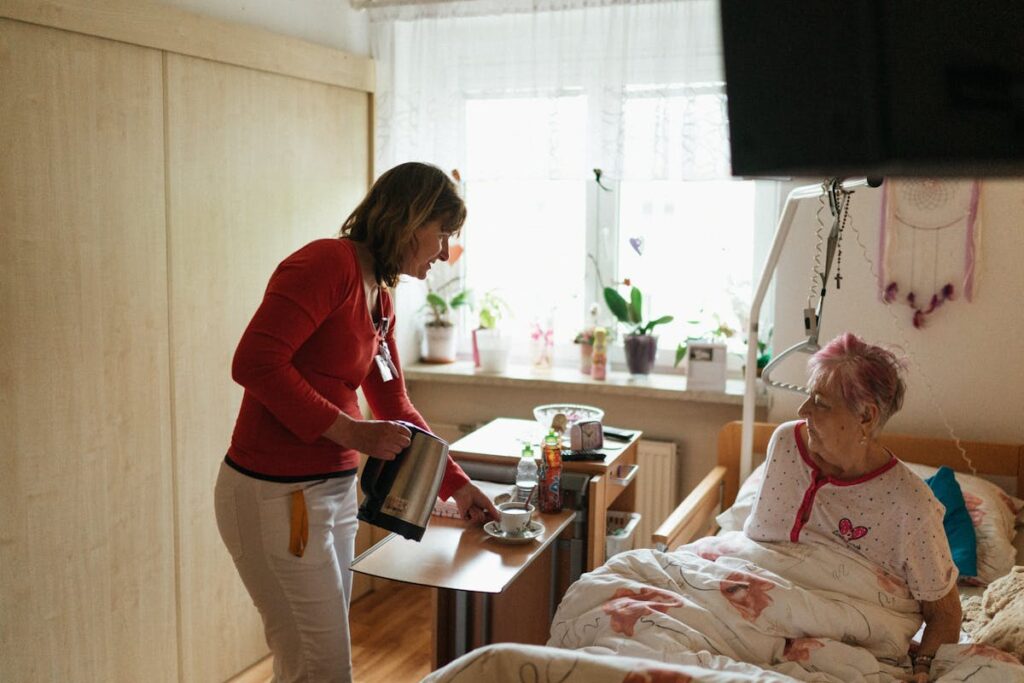
Finding the right care for aging loved ones is a decision that carries both emotional and practical weight. An elderly home provides a structured and supportive environment where seniors can receive the attention, medical oversight, and social engagement they need.
Whether through residential facilities or personalized home care for elderly individuals, these options aim to maintain safety, comfort, and dignity while meeting the unique needs of each senior.
What Is an Elderly Home?
An elderly home may refer broadly to residential care facilities, assisted living communities, or nursing homes where seniors receive help with daily activities and, in some cases, medical support. Many facilities provide staff support around the clock, while nursing homes offer continuous clinical supervision for residents with significant medical needs.
Residential care is particularly suitable for seniors with:
- Chronic illnesses or complex medical conditions
- Mobility challenges or physical limitations
- Cognitive impairments, such as dementia or Alzheimer’s disease
- Situations where care needs exceed what can be safely provided at home
Beyond medical support, elderly homes also focus on social and emotional well-being. They provide structured activities, social programs, and communal spaces that encourage interaction and reduce the isolation that can accompany aging.
Elderly Home Care: What Services Are Typically Provided?

Elderly home care is highly flexible and provides personal care, health support, housekeeping, transportation, etc. Image by Pexels
Elderly home care refers to services delivered in a senior’s own home, allowing them to maintain independence while receiving personalized assistance. This approach is designed for seniors who do not require 24-hour supervision but still need help with daily tasks and medical oversight.
Common services include:
- Personal care: Assistance with bathing, dressing, grooming, and toileting
- Health support: Medication management, wound care, and coordination with healthcare providers
- Meal preparation and nutrition: Tailored diets and support with eating as needed
- Housekeeping: Cleaning, laundry, and home maintenance to ensure safety and comfort
- Companionship and social engagement: Encouraging participation in activities, hobbies, and community events
- Transportation: Assistance with appointments, errands, and outings
- Home modifications: Adjustments like grab bars, ramps, or accessible furniture to improve safety
- Respite care: Temporary relief for family caregivers while maintaining consistent care for seniors
Elderly home care is highly flexible. Care plans are tailored to each individual, adapting as needs change over time, and allow seniors to retain control over their routines and personal environment.
>>>Read more: IHOP Senior Discount: How to Save with the 55+ Menu & More
Home Care for Elderly vs. Residential Elderly Home: Which Is Right?
Choosing between home care for elderly and a residential elderly home depends on the level of care required, personal preferences, and lifestyle considerations.
Home care for elderly:
- Enables seniors to stay in a familiar environment
- Offers flexible scheduling and individualized care
- Supports autonomy and independence
- Suitable for seniors with moderate needs who do not require constant medical supervision
Residential elderly homes:
- Provide 24/7 access to professional medical and personal care
- Include structured activities, meals, and housekeeping
- Offer specialized services such as dementia care units
- Ideal for seniors with complex health needs, significant mobility issues, or those who require constant supervision
A key difference is that residential care emphasizes continuous support and safety in a communal environment, while home care prioritizes comfort, familiarity, and autonomy. Families often weigh these factors alongside budget, social needs, and the senior’s desire to remain at home.
How to Choose the Right Elderly Home or Home Care Option
Selecting the most appropriate care option requires thoughtful evaluation. Key considerations include:
- Assess the senior’s needs: Determine the level of medical care, mobility support, and daily assistance required.
- Explore available services: Compare what residential facilities and home care providers offer, including specialized programs and social activities.
- Visit facilities or meet caregivers: Observe the environment, meet staff, and ensure the setting feels safe and welcoming.
- Check credentials and accreditation: Confirm licensing, caregiver training, and professional certifications.
- Consider personal preferences: Discuss with the senior their priorities, such as staying at home, social interaction, or access to medical care.
- Evaluate costs: Consider fees for residential care versus hourly or package rates for home care, and explore financial assistance or government-funded programs where available.
- Plan for future needs: Ensure care can adapt if the senior’s health or independence changes.
By carefully examining these factors, families can make decisions that balance independence, safety, and well-being.
>>>Read more: How Much Does Life Alert Cost in 2026? Full Pricing Breakdown
FAQs
How much does an elderly home cost per month?
Costs vary widely by location and level of care, typically ranging from about $3,000 to over $9,000 per month in the United States. Specialized units or luxury facilities may cost more.
Is home care for elderly safe for seniors living alone?
Yes. With trained caregivers, regular monitoring, and safety measures, home care can help reduce risks such as falls or missed medications.
Is home care for elderly parents better than a nursing home?
This depends on the individual’s needs. Home care supports independence and familiar surroundings, whereas nursing homes provide constant supervision, medical attention, and structured social interaction.
How much does elderly home care usually cost?
Hourly rates typically range from $20 to $40, with full-time care costing between $4,000 and $10,000 per month, depending on services and intensity of care. Long-term care insurance, Medicaid programs, or certain home health benefits may help offset costs depending on eligibility.
When should a senior move to an elderly home?
Consider a move when daily tasks, safety, or health monitoring cannot be managed at home, or when social isolation negatively affects well-being. Early planning helps seniors adjust more comfortably to a new living environment.
Conclusion
An elderly home provides seniors with a supportive environment tailored to their health, safety, and social needs. Whether through personalized home care for elderly individuals or residential facilities offering 24-hour medical support, these options ensure seniors receive the care they need while maintaining dignity and quality of life.
By understanding services, costs, and personal preferences, families can make informed choices that promote comfort, independence, and overall well-being for their loved ones.